
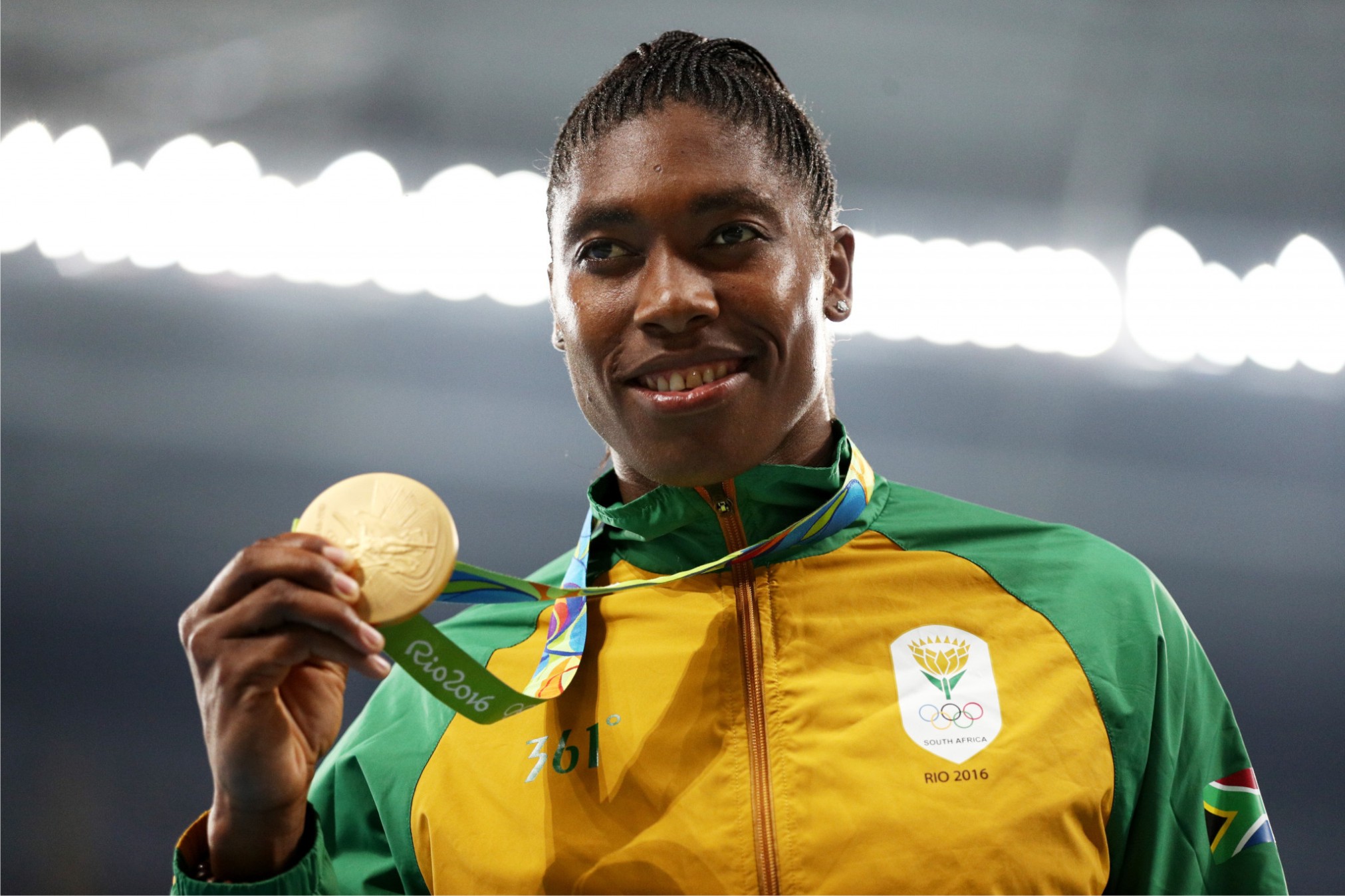
Semenya won the Olympic gold medal in the women’s 800 metres at London 2012 and Rio 2016, but rules which came into effect in 2019 capped athlete testosterone levels in women’s events from 400m through to the mile for competitors with DSD which meant she would be required to take testosterone-suppressing medication to compete in her best events.
The 32-year-old had made two unsuccessful legal attempts to overturn the ruling at the Swiss Federal Court and the Lausanne-based Court of Arbitration for Sport, which ruled in 2019 that World Athletics’ rules were necessary for fair competition.
She lodged an appeal to the ECHR in February 2021 but did not compete at Tokyo 2020 having missed the qualifying mark for the women’s 5,000m.
Semenya returned to the World Athletics Championships in Oregon last year for the first time since her third 800m world title in 2017 but failed to progress through her heat in the 5,000m.
By four votes to three margins, the ECHR’s Chamber of Judges chaired by Andorra’s Pere Pastor Vilanova ruled that Semenya’s appeal had not been heard properly, although the case was against the Swiss Government rather than World Athletics, which means they are not bound by the judgement.
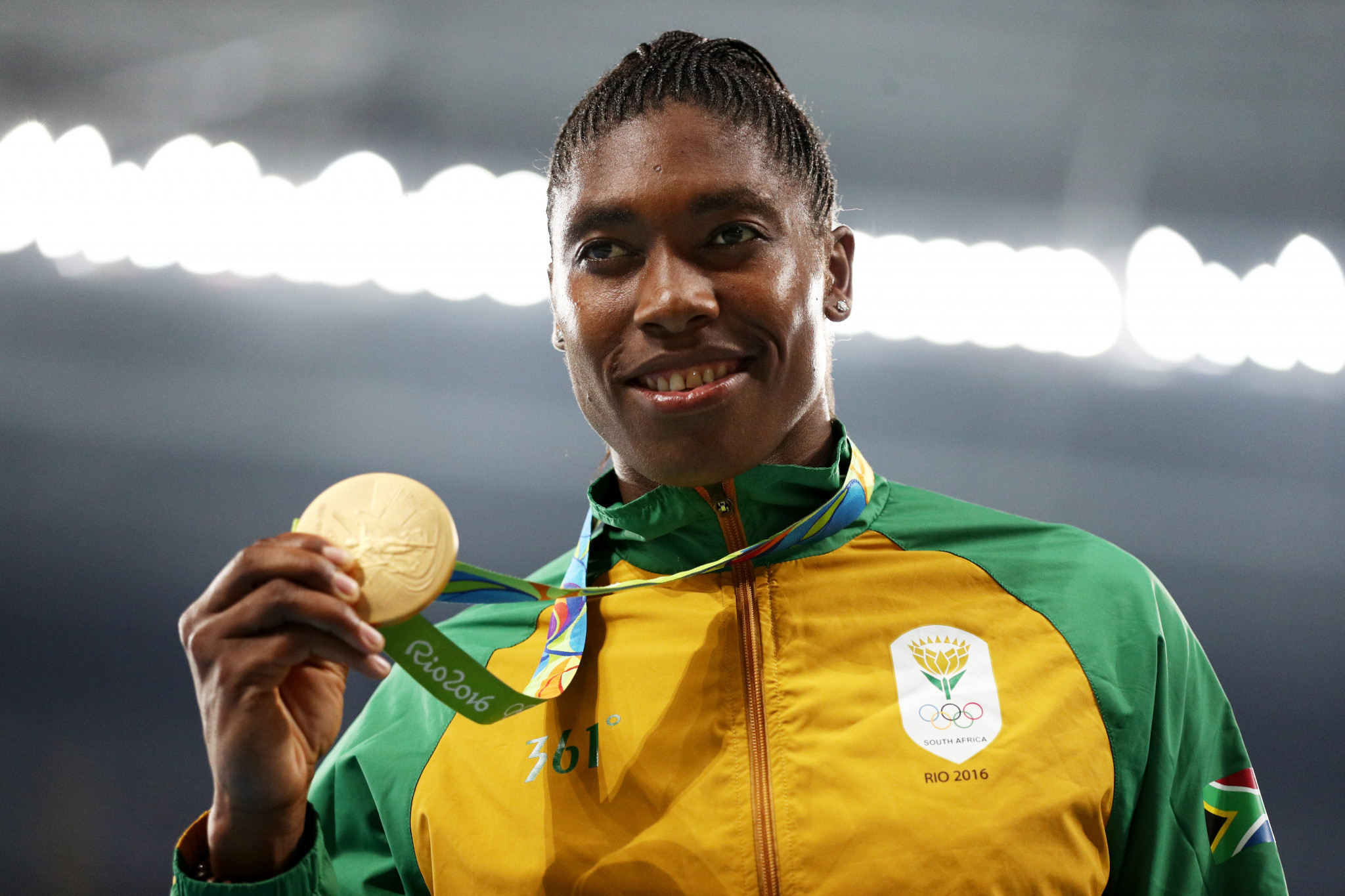
“The Court found in particular that the applicant had not been afforded sufficient institutional and procedural safeguards in Switzerland to allow her to have her complaints examined effectively, especially since her complaints concerned substantiated and credible claims of discrimination as a result of her increased testosterone level caused by differences of sex development,” the ECHR said.
“It followed, particularly with regard to the high personal stakes involved for the applicant – namely, participating in athletics competitions at the international level, and therefore practising her profession – that Switzerland had overstepped the narrow margin of appreciation afforded to it in the present case, which concerned discrimination on grounds of sex and sexual characteristics requiring ‘very weighty reasons’ by way of justification.
“The high stakes of the case for the applicant and the narrow margin of appreciation afforded to the respondent State should have led to a thorough institutional and procedural review, but the applicant had not been able to obtain such a review.
“The Court also found that the domestic remedies available to the applicant could not be considered effective in the circumstances of the present case.”
The ECHR said Article 14 of the European Convention on Human Rights covering discrimination together with Article Eight on the right to respect for private life had been violated, along with Article 13 covering the right to an effective remedy.
It said the CAS ruling “had not applied the provisions of the Convention and had left open serious questions as to the validity of the DSD Regulations”.
The Chamber’s judgement can be appealed to the ECHR Grand Chamber.
World Athletics has consistently argued its rules are lawful and necessary to ensure female athletes participate on fair and equal terms, and President and International Olympic Committee member Sebastian Coe last year hit out at “second-rate sociologists” who have questioned its stance.
The governing body acknowledged the ECHR decision but said it had no plans to alert its regulations at this stage.
“We remain of the view that the DSD regulations are a necessary, reasonable and proportionate means of protecting fair competition in the female category as the Court of Arbitration for Sport and Swiss Federal Tribunal both found, after a detailed and expert assessment of the evidence,” it said.
“The case was filed against the state of Switzerland, rather than World Athletics.
“We will liaise with the Swiss Government on the next steps and, given the strong dissenting views in the decision, we will be encouraging them to seek referral of the case to the ECHR Grand Chamber for a final and definitive decision.
“In the meantime, the current DSD regulations, approved by the World Athletics Council in March 2023, will remain in place.”
